How much does it cost to replace windows in a house?
Typical U.S. costs run from about $450 to $2,500 or more per window installed, depending on size, material and frame work. Whole-house projects add up quickly, so request a written quote.
Window Replacement Help in Marlborough and the Marlborough area
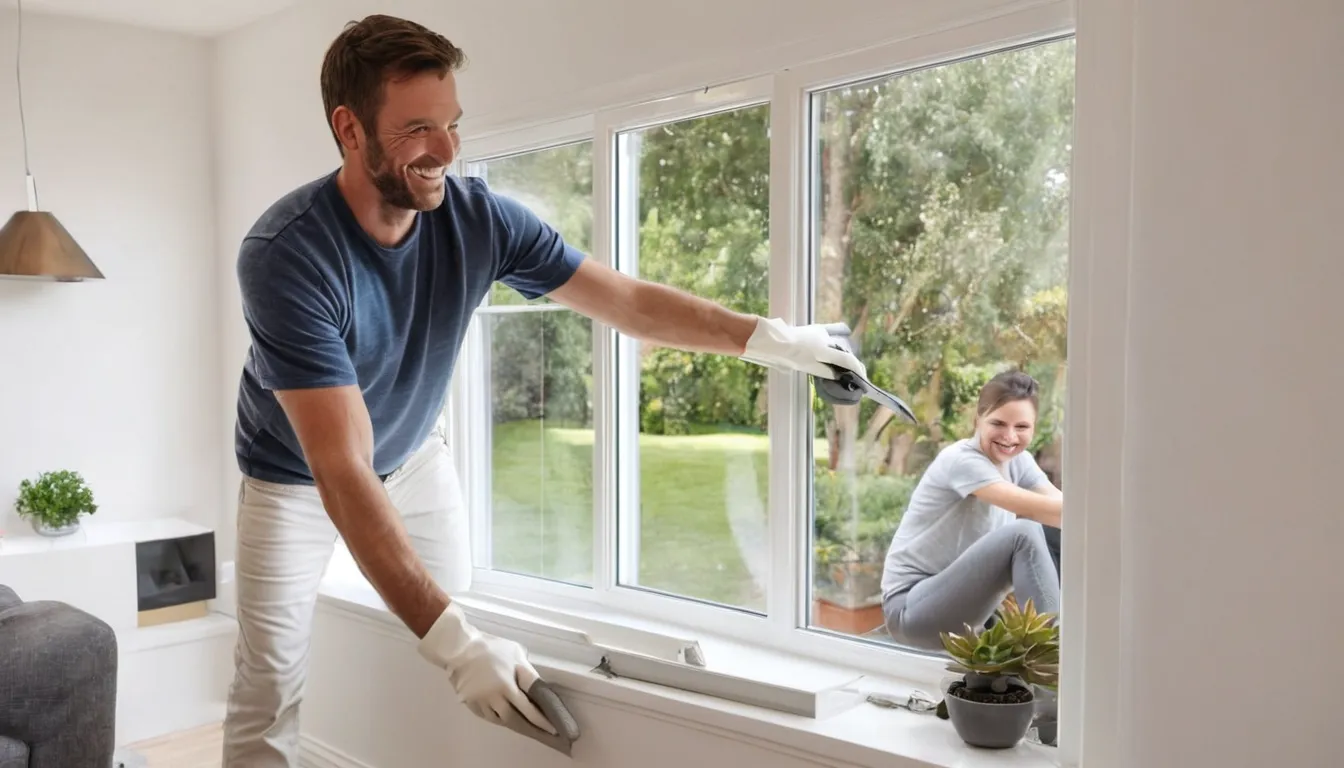
Windows that leak, fog up or will not close right cost you money every month. Replacing them is one of the bigger jobs a homeowner takes on, so it pays to plan. Price depends on the size, the frame material, the glass and how the old window comes out.
Severalpsychology Windows & Siding is a referral service. We connect homeowners in Marlborough and the Marlborough area with independent local providers who do home window replacement. The providers do the work, not Severalpsychology Windows & Siding. Projects involving two or more windows are the ideal fit. Compare written quotes, ask good questions, and plan the upkeep that keeps your new windows working for years.
A cracked pane, a sash that will not budge or a cold draft near the sofa can all point to the same question. Should you replace the window? Severalpsychology Windows & Siding connects homeowners with independent local providers who handle window replacement. This page helps you plan the job, understand the price and protect the work once it is done.
One note up front. These referrals are for replacing windows, and they work well when your project includes two or more.
Some issues cost more the longer they sit. Broken glass, a window that will not latch, or water seeping in around the frame can lead to rot and mold. Cover the opening, dry the area and take photos. Then Request a callback to check provider availability.
Hold your hand near the frame on a windy day. If you feel moving air, the seals have likely failed. In cold snowy winters, that leak is a steady drain on your heating budget.
A cloudy film trapped inside the glass means the seal has broken. The gas fill is gone. That glass no longer insulates the way it did.
Press a screwdriver tip gently into the frame. If it sinks in, the wood is rotting. Sashes that swell, stick or hang crooked often mean the frame has moved or absorbed water.
If your heating costs keep climbing and the house still feels cold, old glass may be part of the reason. Energy efficient windows with better glass and tighter frames can trim that waste. Savings vary by house, so treat any promise of a number with care.
This choice shapes your price more than almost anything else.
The provider leaves the existing frame and trim in place and fits a new window inside it. It is quicker and usually costs less. It works well when the frame is square, dry and solid.
Everything comes out, down to the rough opening. The provider can check for hidden rot, add flashing and insulate the gap. It costs more, but it makes sense when the frame is damaged or water has been getting in.
Vinyl is the budget-friendly pick and needs little upkeep. Wood looks warm and suits older homes, but it needs paint or stain. Fiberglass costs more and holds its shape through big temperature swings. If you are also thinking about vinyl siding, ask the provider about matching colors and trim.
Double-pane glass is the common standard. Low-E coatings and gas fills add cost but can help with comfort. Triple-pane may be worth a look in colder areas. Ask for the price difference in writing so you can judge the trade-off.
Double-hung, casement, slider and picture windows all price differently. Special shapes and larger sizes add cost. Keeping the same opening size usually keeps the bill down.
The provider will usually move furniture back, lay down protection and remove the old window. The new unit goes in, gets leveled, sealed and insulated, and trim is finished inside and out. Plan for a few hours per window, though the time varies by job. Ask the provider what the schedule looks like for your project.
Open and close every window. Check the locks. Look for gaps, scratches and loose trim. Raise any concern before the crew leaves.
New windows still need care. Clean the tracks twice a year. Check caulk each fall, and again after the spring thaw. Clear weep holes so water can drain. Keep your receipts and warranty papers in one folder.
Older houses hide surprises. Stone and block foundations, past repairs and uneven openings are common. Frames may not be square, and old trim can crumble when removed. Ask the provider how they handle hidden rot and what happens to the price if they find some.
If your home has historic character, such as a Cape Cod style or a multi-family building, ask about matching the look of the original windows. Some towns also have rules about exterior changes, so check before you order.
In basements, window wells and egress rules matter. Ask whether the new unit meets local code.
Get the answers in writing. Compare written quotes line by line, not just the bottom number.
Some policies may cover sudden damage, such as a storm breaking a window. Check your policy for details. Providers can often help document damage for a claim.
Providers take out old sashes or full frames and handle disposal as part of the job.
The new unit is set level and plumb in the opening, then sealed against drafts.
Flashing, caulk and insulation around the frame help keep water and cold air out.
Interior and exterior trim is finished, and debris is cleared before the provider leaves.
Window prices depend on size, frame material, glass and how much of the opening must be rebuilt. These are typical U.S. ranges per window. Your costs will vary, so get a written quote.
| Item | Typical range | Notes |
|---|---|---|
| Vinyl insert window | $450 – $1,300 | Installed; usually the budget-friendly choice |
| Wood or fiberglass window | $800 – $2,500 | Higher upkeep (wood) or higher price (fiberglass) |
| Full-frame replacement | $700 – $2,800 | Costs more when rot or framing work is found |
| Bay or bow window | $2,500 – $8,000 | Large units with more labor and support |
| Basement or egress window | $1,000 – $3,500 | Code and wells can add cost |
| Ten-window home project | $5,000 – $16,000 | Wide range; depends on all of the above |
Request a callback to check provider availability, or fill out the estimate request form.
Share how many windows, their sizes and any problems you see.
A provider reviews the job and gives you a written quote. Compare the scope, not just the total.
Pick the provider that fits your budget and plan. Then set the install date and prepare the rooms.
Providers in our network can give you written quotes, so you can compare scope and price side by side.
We encourage planning the job and the upkeep together, so the money you spend keeps working.
Independent providers know area weather, older housing and common problems found in local homes.
Requesting an estimate does not commit you to hiring anyone. Take your time deciding.
Ready to plan your project? Request a callback to check provider availability, or send a request and ask for an estimate. There is no obligation.
No obligationTypical U.S. costs run from about $450 to $2,500 or more per window installed, depending on size, material and frame work. Whole-house projects add up quickly, so request a written quote.
Many quality windows last 20 years or more with basic upkeep. Clean the tracks, check caulk each season and clear drain holes. Lifespan varies with the material, the install and the local weather.
Doing them together can save on labor and keep the look consistent. If the budget is tight, start with the worst windows. Ask each provider to quote both options in writing.
Ready to plan your project? Request a callback to check provider availability, or send a request and ask for an estimate. There is no obligation.
No obligation